

Finding the right name for a project or personal use can be tough. Exploring names from different cultures can be complex. A Japanese Name Generator makes it easier, turning complex tasks into simple steps.
These tools help you understand naming rules easily. They use innovative technology to make sure your choice is true to the culture. Whether for a book or a personal identity, they make finding the right name simpler.
You don’t need to speak Japanese to appreciate these names. This guide will show you how to pick the perfect name for your needs.
Key Takeaways
- Understand the cultural significance behind traditional naming conventions.
- Learn how digital tools bridge the gap for non-native speakers.
- Discover how to select authentic options for creative projects.
- Simplify the process of navigating complex kanji characters.
- Ensure your final choice is both meaningful and accurate.
Understanding the Cultural Significance of Japanese Names
Exploring Japanese names reveals a world of family ties and tradition. Names in Japan are vital cultural markers that link people to their family and social status. It’s key to understand the principles behind these choices before picking a name.
The Structure of Japanese Given and Family Names
In Japan, the naming order is different from many Western cultures. The family name, or surname, comes first. This shows the family’s importance over the individual.
Most Japanese surnames come from places or historical sites. Given names, on the other hand, are chosen for their aesthetic beauty, seasonal links, or personality traits. Knowing this helps when using naming tools.
| Feature | Western Convention | Japanese Convention |
|---|---|---|
| Primary Order | Given Name First | Family Name First |
| Family Focus | Individual Identity | Ancestral Lineage |
| Name Origin | Patronymic/Occupational | Geographical/Nature-based |
Historical Context and Naming Traditions
In Japan’s past, names showed social class and hierarchy. Commoners often didn’t have hereditary surnames. Samurai, on the other hand, had strict naming rules to show their lineage and status. These rules changed over time, becoming standard in the Meiji Restoration.
Today, names still hold great importance. They reflect ancestral pride and modern dreams. By honoring these traditions, your names stay true and meaningful. Remember, a name is more than a label; it connects you to a long history.
How to Use a Japanese Name Generator Effectively
Using a digital naming tool is the first step to finding the perfect name. Whether for a novel or a game character, a Japanese Name Generator offers many options. Understanding the interface helps you find something truly unique.
Step-by-Step Guide to Generating Random Japanese Names
To start, just click the “Generate” button. A random japanese name generator uses a huge database of names. You’ll see a list of names on your screen right away.
If the first list doesn’t catch your eye, don’t worry. You can refresh it as many times as you need. This iterative process lets you try different names without doing research.
Adjusting Filters for Specific Output Requirements
Refining your search is key for authentic results. Most tools let you adjust filters to fit your project needs. This ensures the names match your character’s context.
Setting Parameters for a Japanese Male Name Generator
With a japanese male name generator, you can filter by era or popularity. “Traditional” gives classic kanji names, while “Modern” offers shorter, contemporary ones. Precision in these settings keeps your work consistent.
Setting Parameters for a Japanese Female Name Generator
A japanese female name generator lets you customize your search. You can filter by name length or common suffixes. Using a random japanese name generator with these filters is the best way to get the names you want.
Selecting the Right Tool for Your Needs
Finding the right tool is key to discovering a name that fits your vision. Whether you’re writing a novel or creating a game character, the tool you pick matters. A good japanese names generator saves time and ensures names are culturally correct.
Comparing Basic vs. Advanced Japanese Names Generator Tools
Basic tools give simple lists of names without much background. Advanced tools, on the other hand, dive deep into the language’s structure. Here’s a table to help you decide which is best for you.
| Feature | Basic Tool | Advanced Tool |
|---|---|---|
| Kanji Support | Limited or None | Extensive |
| Cultural Context | Minimal | Detailed |
| Customization | Low | High |
Identifying Features of a Reliable Japanese Character Name Generator
A reliable japanese character name generator does more than just translate names. Look for one that shows names in Kanji, Hiragana, and Katakana. This multi-script support is crucial for checking how names look in different settings.
Also, see if the tool lets you filter by gender, era, or popularity. A good tool will offer choices that match both modern and historical naming styles. These options help make your name choices authentic and well-thought-out.
Why You Should Use a Japanese Name Generator with Meanings
Using a japanese name generator with meanings is a big plus for creating characters. Knowing the meaning of names helps you match them with a character’s traits or history. This makes a name more than just a label; it becomes a key part of the story.
With a japanese name generator with meanings, you can pick names that reflect virtues, seasons, or natural elements. This level of detail makes a name memorable and impactful, unlike a generic placeholder.
Customizing Your Search for Authentic Results
Getting precise in your search settings helps you find names that are true to culture and creative. You can make names that really fit your project’s context. By tweaking your settings, each name has a special role in your story.
Refining Results for Modern vs. Traditional Settings
The time period of your story affects the names you pick. Modern Japanese names are simple and easy to say, using popular kanji. Traditional settings need names from old times, with complex kanji and markers for generations.
Choosing the right era filter is key for a believable story. For the Edo period, avoid modern or Western names. But, for today’s Japan, pick names that fit current trends, making your characters seem real.
Using a Japanese Fantasy Name Generator for Creative Writing
Creating a fictional world needs names that are unique but still feel Japanese. A japanese fantasy name generator lets you try out rare kanji and sounds not seen in everyday life. It helps you explore beyond traditional names while staying true to Japanese roots.
Using a japanese fantasy name generator means finding a balance between creativity and respect for culture. You can mix nature, myths, or abstract ideas to make names with deep meanings. This enriches your world-building, adding depth that regular names can’t match.
Balancing Phonetics and Kanji Representation
A name should sound right and look authentic. The challenge is to match the sound with the kanji’s look. Authenticity comes when sound and meaning together show the character’s traits or background.
Think about how the kanji characters affect the name’s overall feel. Even if readers can’t read the script, the kanji’s look can show elegance, strength, or mystery. By picking your kanji wisely, your character’s name will be as visually striking as it is easy to say.
Navigating Gender and Social Context in Naming
Choosing a name is more than picking a sound. It’s about defining your character’s place in Japanese culture. Context is everything for authenticity.
Understanding Gender-Neutral Naming Conventions
In Japan today, names are becoming more neutral. Parents choose sounds that feel balanced and modern. This move away from traditional kanji is a sign of inclusivity.
Names ending in “ki” or “ru” are popular for all genders. This trend shows a shift toward accepting everyone. Using a gender-neutral name can add mystery or modern flair to your character.
Selecting Names Based on Social Status and Era
The time period of your story affects the names you should use. Names from the Edo period are different from those in the Meiji era or today. Historical accuracy is key for a believable world.
Social status also influences names. Nobility often had longer, more complex names. Think about these factors when creating your character:
- Historical Era: Look into naming trends for your century.
- Social Class: Officials and samurai families used specific kanji to show their lineage.
- Regional Dialects: Some names were common in certain provinces, adding depth to your character’s background.
Avoiding Common Pitfalls in Name Selection
One mistake is picking a name that doesn’t fit the character’s era or background. For example, a modern name in the 17th century breaks immersion. Always verify the historical validity of your name.
Another mistake is choosing names with negative meanings. Some kanji combinations might look good but have bad meanings. Double-check the kanji to match your character’s personality and status.
Exploring Clan and Family Name Variations
Surnames tell a lot about a person’s history and family. They help set the stage for your character’s story. Whether it’s a historical tale or a modern mystery, the name you pick tells a lot about where they come from and their social status.
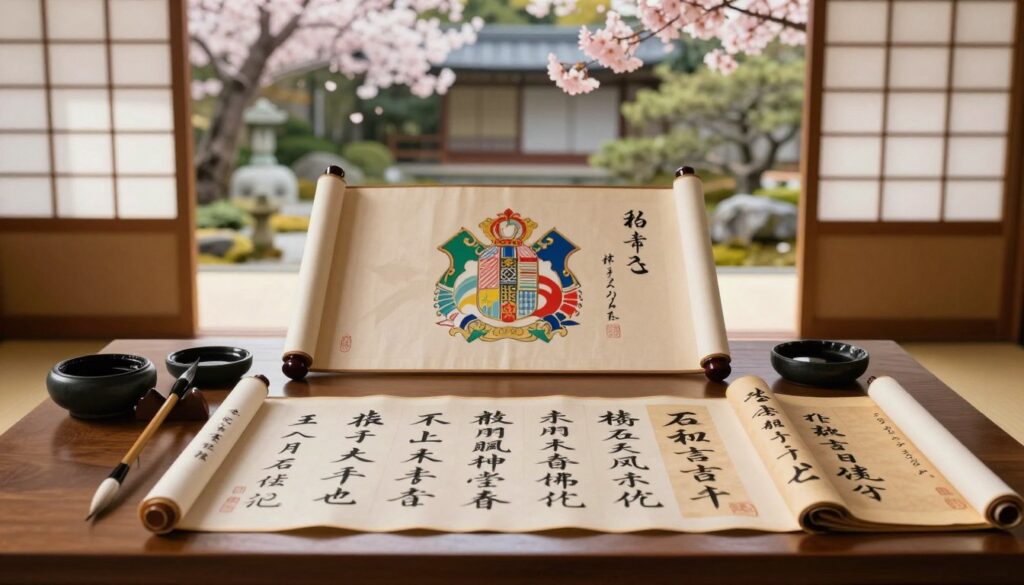
How a Japanese Clan Name Generator Works
A japanese clan name generator uses old databases to find names from feudal times. It focuses on the kabane system, which showed the rank of noble families.
“Names are the anchors of identity, connecting the individual to the vast tapestry of their ancestors.”
With this tech, you can make sure your character’s name fits the time period. The generator looks through old kanji combinations to give you names that feel right for the era you’re writing about.
Distinguishing Between Common and Rare Surnames
Using a japanese last name generator shows you the difference between common and rare names. Common names often relate to the land, like “Yamada” (mountain field) or “Tanaka” (middle of the rice field).
- Common Surnames: Found all over Japan; great for everyday characters.
- Rare Surnames: Linked to special local shrines or clans; perfect for unique, important characters.
Picking a rare name can make your main character seem mysterious or important. On the other hand, a common name makes them feel more relatable and part of everyday Japanese life.
Utilizing a Japanese Family Name Generator for World-Building
A japanese family name generator is key for writers who want to create a detailed world. By choosing names that share roots or use certain kanji, you build a sense of lineage that readers will understand.
Here’s a table to help you decide on your character’s background:
| Name Type | Best For | Cultural Feel |
|---|---|---|
| Topographical | Commoners | Nature-focused |
| Clan-based | Nobility | Historical weight |
| Occupational | Craftsmen | Skill-oriented |
These tools help keep your story consistent. When every character’s name fits their background, your world feels more real and interesting to your readers.
Integrating Meanings into Your Character Development
A well-chosen name connects your character’s personality to the reader’s mind. It adds narrative depth by showing a character’s core values. This turns a simple name into a mirror of their soul.
Matching Name Meanings to Character Personality Traits
First, identify your character’s main traits. If they’re resilient, choose names that mean strength or endurance. For someone graceful, names tied to flowers or water flow might fit.
This connection makes readers feel closer to your characters. When they understand a name’s meaning, they bond more deeply. Consistency between name and action makes your world believable.
The Importance of Kanji Selection in Defining Meaning
In Japanese, the same sound can have many meanings based on kanji. Choosing the right kanji is crucial for the name’s intended meaning. It ensures your name conveys exactly what you want.
For instance, “Haru” can mean “spring,” “sunlight,” or “clear weather.” The right kanji choice can highlight your character’s past or future. Precision in choosing kanji prevents misunderstandings of your character’s identity.
Creating Depth Through Symbolic Naming
Symbolic naming adds layers to your story. It can hint at a character’s future or reveal family secrets. This makes your writing more sophisticated for those who pay close attention.
Think about how a name can change as your character grows. A simple name can gain deep meaning as the story progresses. Treating names as dynamic symbols makes your character’s journey more engaging.
Best Practices for Verifying Your Generated Name
Getting a name is just the first step. It’s crucial to check if it’s real and fits well. Tools can help, but they miss some details. So, it’s important to validate your choice to keep your character or project true to its culture.
Cross-Referencing Names with Cultural Databases
Checking names against cultural databases is the best way to confirm them. Sites like the Japanese Ministry of Justice or genealogy archives are great resources. Cross-referencing your name ensures it’s not only readable but also fits in with modern or historical standards.
Look for how often a name is used. Rare or unusual names might need a change. Using trusted databases gives your work a solid foundation.
Checking for Potential Negative Connotations
Names can have meanings or associations you might not see at first. A name that sounds nice to some might have a bad meaning to others. It’s key to look into homophones or slang that could affect your name.
Think about how the name sounds in different situations. A small change in kanji can fix pronunciation issues. Careful attention to these details helps your character’s name fit the story better.
Consulting Native Speakers or Linguistic Experts
When unsure, talking to native speakers or experts is best. If you can, get feedback from Japanese speakers or linguists. They offer invaluable insights on whether a name feels right or not.
They can also explain the social meaning of a name. They might say if a name is linked to a certain area or class. Seeking professional or native guidance is key to making sure your name is both correct and respectful.
Conclusion
Choosing the right name is a mix of technical skill and cultural understanding. You now know how to handle complex naming systems easily. Using reliable tools helps keep your choices rooted in tradition while still meeting your creative needs.
Your exploration of Japanese naming is more than just picking names. It’s about respecting the history and meaning of each character. By following these best practices, you can create real identities for your projects or personal use.
A good name is the base for character growth and personal expression. You can make names that have depth and accuracy. Begin your search today and see how the perfect name changes your work.
Share your experiences with naming tools to help others. Your feedback helps us understand these language traditions better. Keep diving into the details of language to improve your skills even more.